
Selling a home without a real estate agent is more common than many people think. In 2026, homeowners looking to save on commission fees or maintain full control over the process often explore the For Sale By Owner (FSBO) route. If you’re researching how to sell a house without a realtor, the key is understanding what responsibilities shift to you and how to handle them correctly.
This guide walks through the full FSBO process, from pricing and preparation to marketing, negotiations, and closing. It also highlights when selling without a realtor makes sense and when it may introduce unnecessary risk.
What Does It Mean to Sell a House Without a Realtor?
Selling without a realtor means the homeowner takes on tasks typically handled by a listing agent. This includes pricing the property, marketing it, coordinating showings, negotiating offers, and managing paperwork through closing.
While FSBO sellers avoid paying a listing commission, they are still responsible for complying with state disclosure laws and coordinating with title or escrow companies. In many cases, sellers may still offer a buyer’s agent commission to attract more interest, even without a listing agent involved.
Pros and Cons of Selling a House Without a Realtor
Advantages of FSBO
The most obvious benefit is saving on commission fees, which can range from 2.5% to 3% of the sale price for a listing agent. FSBO sellers also maintain full control over pricing decisions, showing schedules, and negotiations.
For owners who are comfortable handling communication and paperwork, FSBO can offer flexibility and cost savings.
Disadvantages and Risks
Without professional guidance, FSBO sellers face risks such as overpricing, underexposure, and legal missteps. Pricing errors are common and can lead to longer market time or lower final offers. Managing buyer inquiries, disclosures, and negotiations also requires time and organization.
Step 1: Price Your Home Correctly
Pricing is the most critical step in selling a house without a realtor. Start by researching recent comparable sales (comps) in your area, focusing on homes with similar size, condition, and location.
Avoid the temptation to price high “to leave room to negotiate.” Overpricing reduces interest and often leads to deeper price cuts later. A competitively priced home attracts more buyers and stronger offers, even without agent representation.

Step 2: Prepare and Present the Property
Cleaning, Decluttering, and Minor Repairs
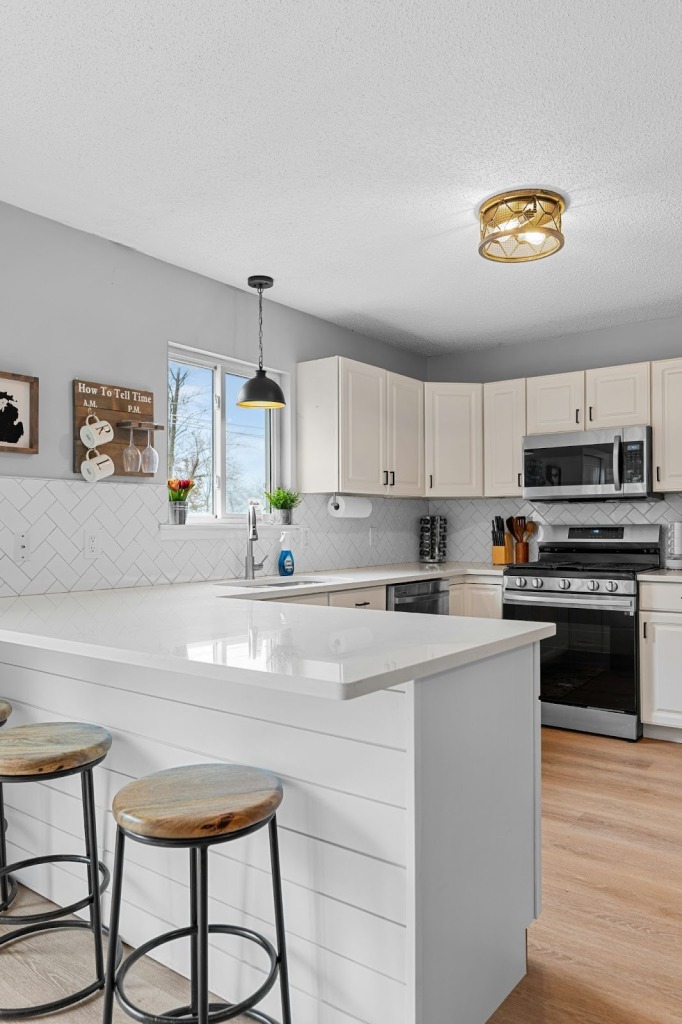
You don’t need to renovate the entire home, but basic preparation matters. Deep cleaning, decluttering, and small repairs such as fixing leaky faucets or replacing broken fixtures can significantly improve buyer perception.
Focus on repairs that affect first impressions or functionality rather than major upgrades.
Photography and First Impressions
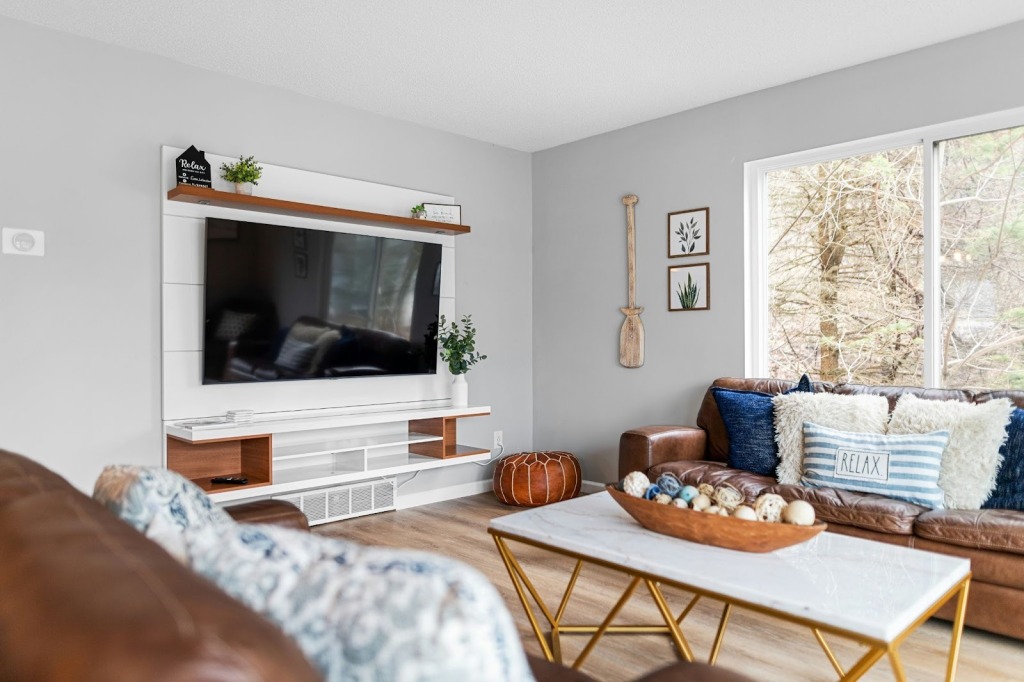
High-quality photos are essential in 2026’s online-driven housing market. Buyers expect clear, well-lit images that accurately represent the property. Poor photos can prevent buyers from scheduling showings, even if the price is attractive.
Step 3: Market the Property Effectively
Marketing is where many FSBO sellers struggle. At a minimum, list your home on major real estate platforms, use yard signage, and promote the listing locally. Flat-fee MLS services can help increase exposure without hiring a full-service agent.
Owners who already manage properties themselves often have an advantage here. For example, property managers or landlords familiar with handling listings and tenant communication, such as those associated with KT Rents, are typically more comfortable managing inquiries, scheduling showings, and responding promptly to buyer questions.
Step 4: Handle Offers and Negotiations
When offers come in, review them carefully. Look beyond price and evaluate contingencies, financing type, inspection timelines, and closing dates.
Negotiations often involve repair credits or price adjustments after inspections. FSBO sellers should stay objective and understand when concessions are reasonable versus when they undermine the deal.
Step 5: Manage Legal Requirements and Paperwork
Seller Disclosures
Disclosure laws vary by state, but sellers are generally required to disclose known defects. Failing to do so can create legal issues after closing.
Contracts and Escrow
Most FSBO sellers rely on standard purchase agreements provided by title companies or real estate attorneys. Title and escrow professionals handle the transaction logistics, ensuring funds and documents are transferred correctly.
Step 6: Closing the Sale
As closing approaches, the buyer will complete a final walkthrough. The seller must ensure the property is in agreed-upon condition and that any negotiated repairs or credits are addressed.
FSBO sellers still pay certain closing costs, such as title insurance, escrow fees, and potentially buyer agent commissions if offered.
Selling Without a Realtor for Rentals or Investment Properties
FSBO is especially common for rental or investment properties. Owners selling tenant-occupied homes often prefer direct communication and streamlined negotiations.
In these cases, sellers who already operate rental portfolios, like those associated with KT Rents, are accustomed to pricing assets, managing leases, and communicating directly with buyers, making FSBO a more natural fit.
Common Mistakes to Avoid When Selling FSBO
Some of the most common FSBO mistakes include:
- Overpricing the property
- Poor marketing or limited exposure
- Ignoring buyer agent dynamics
- Skipping legal or title support
- Letting emotions drive negotiations
Avoiding these pitfalls increases the likelihood of a smooth transaction.
When Selling Without a Realtor Makes Sense (and When It Doesn’t)
FSBO works best in strong seller’s markets, for experienced homeowners, or when selling straightforward properties. It may be less suitable for complex transactions, distressed homes, or sellers unfamiliar with contracts and negotiations.
Understanding your comfort level and market conditions is essential before choosing this route.
Final Thoughts
Learning how to sell a house without a realtor in 2026 requires preparation, realistic pricing, and a willingness to manage the process from start to finish. While FSBO can save money on commissions, it demands time, organization, and attention to detail.
For the right seller and situation, selling without a realtor can be an efficient and cost-effective strategy. The key is approaching the process with clear expectations and the proper support in place to ensure a successful closing.