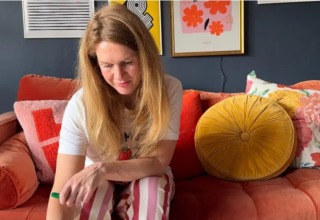
Interior design is entering a notably softer, more emotionally attuned phase. For 2026, industry commentary points to a clear shift away from dramatic, full-scale renovations and toward smaller, meaningful updates that prioritize comfort and well-being. Economic pressure, environmental awareness, and extended time spent at home have encouraged people to rethink what makes a space truly livable. Rather than severe minimalism, many households are embracing interiors that feel layered, warm, and personal.
Trends sometimes described as “turtling” reflect a desire to retreat into safe, nurturing environments, while “dopamine decor” highlights the mood-lifting power of color and texture. In practical terms, this means homes are designed to soothe rather than impress, and spaces are shaped by tactile materials, warm tones, and objects that carry emotional value. Comfort-driven decor is no longer a side note in design conversations; rather, it has become a central element through which people evaluate their homes.
Core Trends: How Small Decor Changes Create Big Comfort
One of the defining features of this movement is its accessibility. Comfort-forward interiors do not require architectural changes or expensive custom pieces. Instead, small decor items are doing much of the work. Cushions and throws remain among the most purchased home accessories, reflecting a desire for immediate tactile comfort. Plush rugs, especially in living rooms and bedrooms, add warmth underfoot while also softening acoustics, contributing to a calmer atmosphere. Bedding has become another focal point, with textured duvets, quilted covers, and layered sheets replacing purely decorative bed styling.
Color plays a significant role as well. Color drenching, where walls and soft furnishings share similar hues, creates an enveloping, cocoon-like space. Deeper, moodier palettes like charcoal, forest green, rust, and warm neutrals, are increasingly preferred over bright whites, which can seem harsh or sterile.
Material choices reinforce this effect such as the use of dark woods, boucle fabrics, linen blends, and organic cottons, all of which offer visual warmth and sensory appeal. Soft lighting completes the picture, with table lamps, wall sconces, and warm-toned bulbs replacing harsh overhead illumination. Together, these choices show that, instead of chasing novelty, people are investing in items that support daily comfort, emotional connection, and long-term satisfaction.
Value Meets Comfort: Designing Cozy Spaces Without Overspending
While comfort is the priority, cost remains a major issue. Many consumers are approaching home decor with the same value-driven mindset applied to fashion or technology purchases. Instead of buying frequently, there is a growing emphasis on choosing fewer, better-made items that age well. This approach aligns comfort with longevity, reducing waste while improving everyday living. Affordable comfort often comes from focusing on materials and construction rather than trends.
Brands positioned around timeless, comfort-first aesthetics have benefited from this change in mindset. Hill House Home is an example within the broader market, and known for offering durable fabrics, soft textures, and styles that feel familiar rather than following a fleeting trend. Importantly, such brands are not perceived as aspirational luxuries but as attainable upgrades, particularly when promo codes or seasonal coupons are available. The price reductions available for Hill House Home on Discoup play a practical role. This is because they lower the barrier to entry for higher-quality decor, allowing more households to invest in pieces that deliver daily comfort.
From a value perspective, this supports the idea that spending slightly more in a strategic way, can lead to greater long-term satisfaction. The focus remains on thoughtful purchasing, where comfort, durability, and cost are considered together rather than in isolation.
The Emotional Impact of a Thoughtful Space
Beyond aesthetics and budget, comfort-driven decor carries a clear emotional element to it. Research and design commentary increasingly link interior environments to mental well-being, noting that sensory-rich spaces can reduce stress and support relaxation.
Soft textures invite touch, warm colors promote calm, and familiar objects like vintage finds, heirlooms, or handmade pieces can anchor a space emotionally. Concepts like slow design emphasize intentionality over speed, encouraging people to build homes gradually and meaningfully.
Dopamine decor is less about bold statements and more about choosing elements that genuinely improve the mood. Consequently, a key takeaway from this movement is the value of spaces that feel lived in rather than staged. Slight imperfections, layered textiles, and personal touches create a sense of safety and authenticity, resonating on an emotional level. Comfort-driven decor demonstrates that even modest changes like adding a throw, adjusting lighting, or choosing softer bedding can have a disproportionate impact on how a home feels. Ultimately, this trend reflects a deeper understanding of home not as a display, but as a support system for everyday life.