
Brisbane’s heavy rain doesn’t just cause floods and leaks; it also attracts unwelcome pests. These pests love damp conditions, hence explains why infestation rises after rainfall.
But here’s the real shocker: most insurance policies won’t cover termite damage, and homeowners only learn this after finding costly damage in their walls, floors or frames.
This article explains why termite activity rises after rain, why insurance won’t help, and what you can do now to protect your home.
Why Termites Thrive After Rain
Moisture Creates the Ideal Environment
When rainwater soaks into soil, timber, and building materials, it creates the damp conditions termites seek. Moist wood softens, which makes it easier for them to chew through.
For subterranean termites, moisture in the soil also makes travel easier. They can build mud tubes quicker and spread through the ground without drying out, giving them a direct pathway to your home.
Termites Survive and Bounce Back After Flooding
Many people assume floodwater kills termites, but some species can survive underwater by slowing their activity and conserving oxygen. Once the water drops, these colonies often recover quickly.
Because floods also damage areas like wall voids, crawl spaces, and insulation, termites take advantage of these damp, hidden spots. They prefer darkness and moisture, so post-storm conditions give them even more places to nest undetected.
Rain Encourages Termite Swarming
Rain and warm weather often trigger swarming behaviour in reproductive termites. When soil becomes moist after a long dry period, young reproductive termites (called alates) take it as a cue to fly, find mates, and start new colonies.
Meanwhile, waterlogged soil, wet insulation, or timber sitting directly on damp ground all increase the chances of termites entering a home. Even tiny cracks in the foundation can become entry points when the structure is saturated.
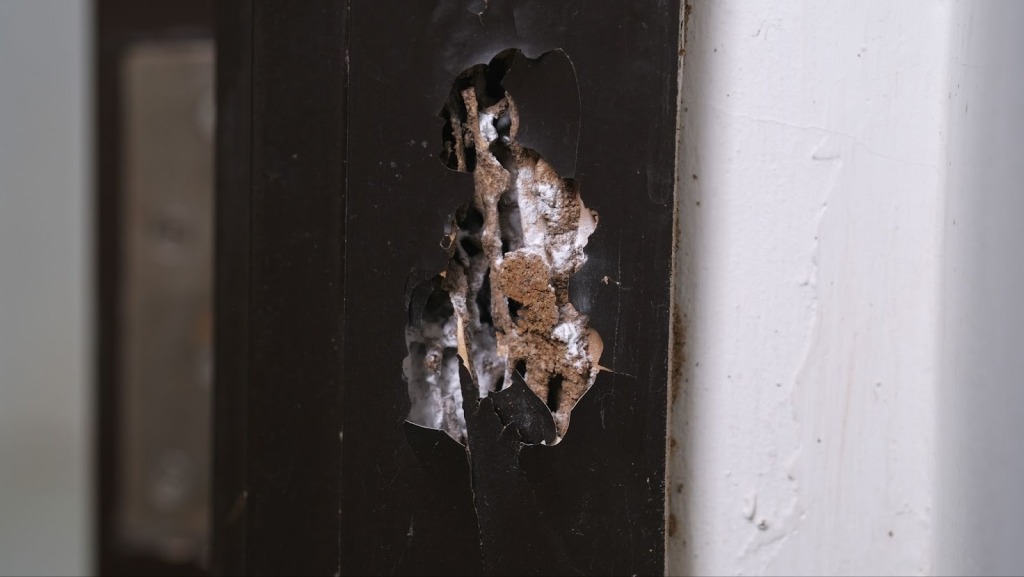
Real-Life Example: It Started with a Sticky Door
In one Brisbane suburb, a homeowner noticed her doors sticking and small bubbles forming under the paint. She blamed the humidity. After all, Brisbane summers get hot and wet.
A few months later, she learned the real cause: termites had eaten through the timber door frame and part of the wall. By the time the inspection finished, the repair bill climbed above $20,000. Her home insurance did not cover any of it.
This story is common. Termites work slowly and quietly — and by the time you see signs, the damage has often spread.
Why Home Insurance Doesn’t Cover Pest Damage
Most insurers in Australia exclude termite damage from their standard home and contents policies.
Why? Because pest damage is usually classed as preventable. Insurers treat it the same way they treat mould, rust, or long-term deterioration. These are issues they expect homeowners to manage through regular maintenance.
Common exclusions include:
- Damage caused by insects such as termites, ants, and beetles
- Structural problems linked to long-term pest activity
- Damage from rodents or other animals chewing through materials
Insurers see termites as an ongoing risk rather than a sudden, unpredictable event. That means any damage they cause is considered the homeowner’s responsibility.
Think of it this way: if you could have stopped it, insurance sees it as your job to maintain the property.
Understanding these exclusions helps homeowners avoid surprises when making a claim.
Expert Advice from the Field
According to EPM Pest Control, yearly checks and moisture management are key to prevention, especially in Brisbane’s wet climate.
“A lot of people think their home insurance will cover termite damage, but it doesn’t,” says Eddy, owner of EPM Pest Control.
“That’s why regular inspections are your best protection. They help catch issues early before they become expensive problems.”
What You Can Do to Protect Your Home
You can’t stop the rain, but you can stop termites from turning that moisture into an entry point. Here are simple steps that make a big difference:
- Book a professional pest inspection at least once a year. A licensed pest control professional can spot early signs like mud tubes, moisture buildup, or small structural changes before major damage occurs.
- Install a termite barrier. Homes in high-risk or flood-prone suburbs benefit from chemical or physical barriers that slow or stop termite entry.
- Fix moisture problems fast. Repair leaks, roof damage, and drainage issues. Ensure downpipes move water away from the home. Damp timber is one of the strongest termite attractants.
- Keep soil and timber away from the house. Avoid stacking firewood near walls, keep garden beds at least 300 mm from the exterior, and avoid mulch touching the foundation.
- Seal cracks and potential entry points. Termites only need a tiny gap to enter. Seal cracks in walls, window frames, flooring edges, and areas around pipes.
- Improve ventilation and reduce indoor humidity. Well-ventilated crawl spaces, attics, and underfloor areas stay drier. Good airflow reduces the moisture termites rely on.
Don’t Let the Rain Catch You Off Guard
Brisbane’s climate makes homes vulnerable to termite activity year-round, especially after heavy rains.
Don’t wait for the damage to show. Check your insurance policy, and take steps now to prevent termites from getting in.
If you’re unsure where to start, a local pest expert can assess your home and give you a clear action plan.