
The secret, for so many homeowners, to getting decades of reliable performance from their heating and cooling systems is refreshingly simple: consistent, structured care. A proper HVAC maintenance schedule is not something that’s just nice to have; it’s the backbone of long-lasting system performance. In any area where service industries are active, such as the Raleigh HVAC market, you’ll hear the same message from professionals who have been in the business a long time: the systems that last the longest are the ones that get routine, thoughtful attention. Companies like Comfort Monster, which pride themselves on taking an educational and homeowner-first approach, drive this point home frequently because the data continually supports it.
Before investing in upgrades or worrying about brand names, homeowners need to understand why scheduling matters-and how planned maintenance protects both comfort and budgets. That lays the foundation for every smart decision that follows.
What a Maintenance Schedule Really Is
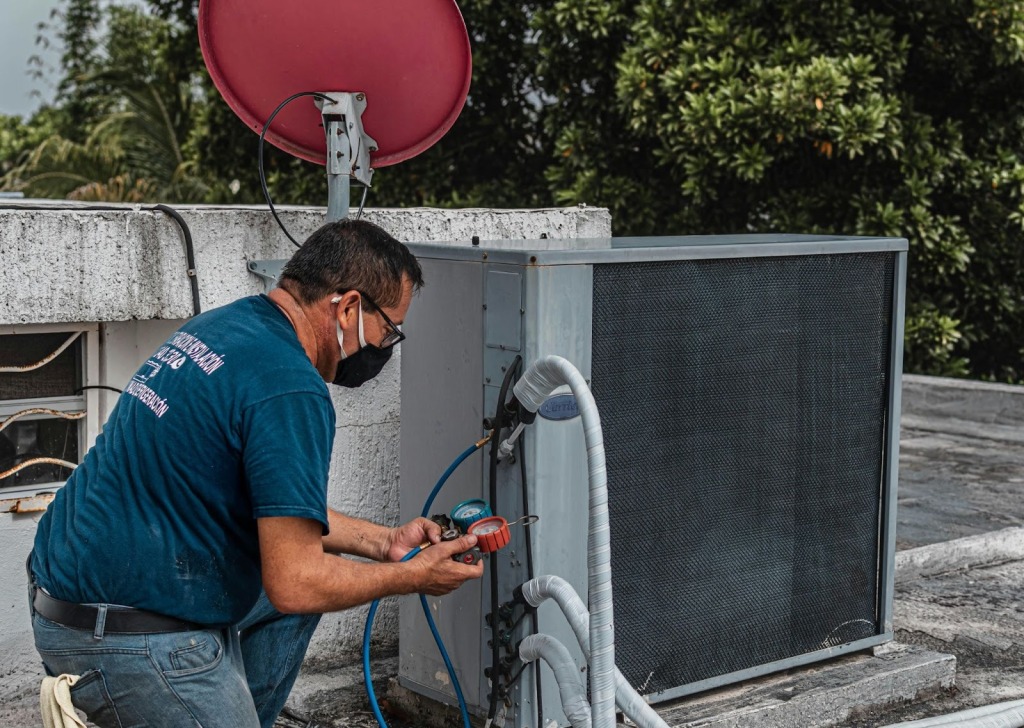
Fundamentally, an HVAC maintenance schedule is a detailed calendar of inspections, tune-ups, and cleanings that keep every major component operating the way that it should. It’s not a one-size-fits-all plan nor a quick checklist. A proper HVAC maintenance plan is one that is designed on purpose to ensure the efficiency of the system throughout the seasons.
Maintenance schedules given usually include:
- Regular inspection of mechanical and electrical parts
- Cleaning seasonally and changing the filter.
- Performance testing to confirm heating and cooling output
The aim is evident: identify minor issues before they escalate and ensure consistent performance over time.
How Care Avoids Early System Breakdown
The majority of HVAC breakdowns do not happen suddenly; they develop over time, often unnoticed. The building up of dust, wearing out of parts, low levels of refrigerant, and restrictions to airflow all work against the general performance. Without structured care, the system is forced to operate under stress, which dramatically shortens its life.
That is where preventive HVAC maintenance becomes priceless. Because the problem is caught early, the system avoids the long-term strain that results in expensive repairs or total failure. Most breakdowns are, in fact, more avoidable than a lot of homeowners may realize. Technicians often experience burnt motors, clogged condensate lines, or grossly neglected filters, any of which might have been avoided months in advance.
In essence, routine scheduling is a kind of insurance on the longevity of the equipment.
The Financial Benefits of Maintenance Schedules
A well-run maintenance routine doesn’t just preserve function protects your wallet. Many homeowners really don’t realize the financial return for simple, consistent care. Energy efficiency, reduction in repairs, and extended system life all derive directly from structured maintenance.
Here are several of the most significant financial advantages.
- Reduced energy costs: The optimized system functions more efficiently, resulting in lower energy consumption.
- Reduced emergency fixes: Minor problems are addressed before escalating into costly failures.
- Replacement costs that are postponed: Systems that are properly maintained endure much longer than those that are neglected by several years.
What Effective Maintenance Routines Consist of
A good HVAC maintenance plan entails a lot more than semiannual checks. It is a well-thought-out approach, considering the type of equipment, size of the house, operating habits, and the climate one lives in. Effective schedules include seasonal readiness and continuous condition assessment throughout the year.
A full plan typically comprises:
- Filter replacements at appropriate intervals
- System cleaning: coils, blower, and condensate lines
- Refrigerant checks and leak assessments
- Electrical testing and tightening
- Airflow and static pressure tests
- Calibration of furnace or heat pump performance
While many of them try to go the DIY way for care, trained professionals like Comfort Monster or other experienced locals can identify early warning signs much more effectively.
Warning Signs of Neglected Maintenance
Even without a formal schedule, your HVAC will eventually let you know it’s in distress. Catching these warning signs early will save a small problem from becoming an expensive one.
Common red flags include:
- Increasing energy bills for no apparent reason
- Uneven temperatures throughout the home
- Peculiar or continuing sounds from the system
- Dust accumulation around vents
- Longer run times or short-cycling behavior
These typically occur due to neglected maintenance or rare system inspections. The more they are neglected, the greater the chance they will turn into significant repairs.
Choosing or Building the Right Maintenance Plan
Finding the right maintenance plan isn’t just about choosing the more expensive one; it’s all about choosing the one that will fit the needs of your system and the demands of your home.
Homeowners should consider:
- The age of their system
- Their region’s climate demands
- The frequency of use of the system
- Whether they like seasonal or annual tune-ups
- The provider’s reputation and responsiveness
Local businesses like Comfort Monster offer flexible arrangements to match a real-world household usage rather than generic templates. What is most important is consistency-once a plan is set, sticking to it delivers long-term system life.
Conclusion
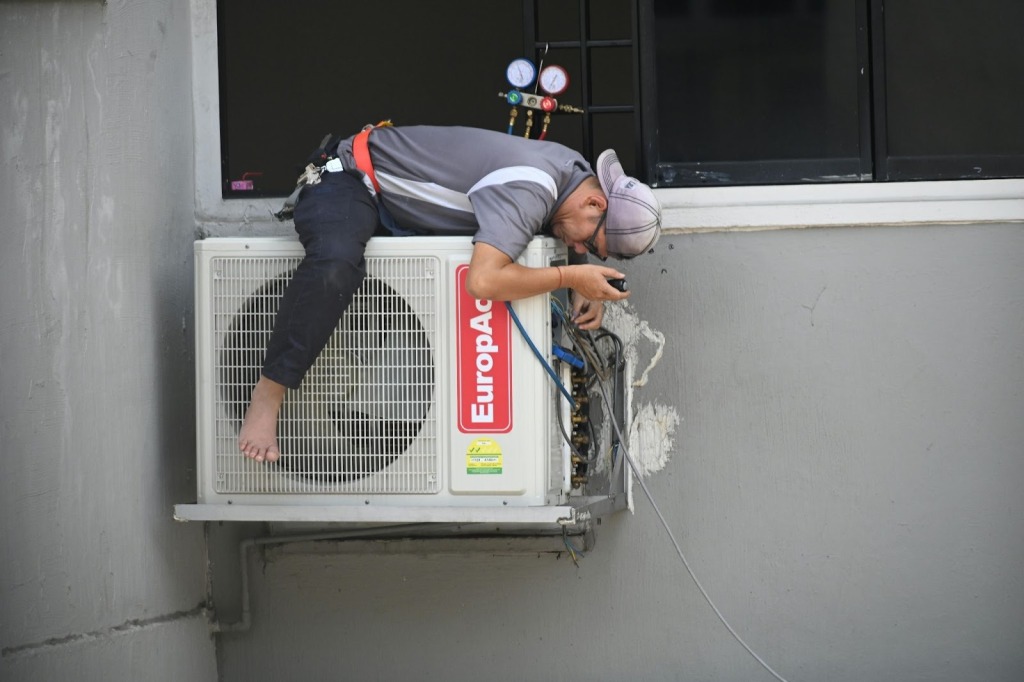
Long-term HVAC systems are not about luck, high-priced equipment, or even breaks in the weather. They emerge from diligent, forward-thinking attention.
We’d really like to know about your experiences before you leave. Have you adhered to a maintenance timetable previously? Did it result in a significant change in the efficiency of your HVAC system or the expenses? Share your opinions with us!