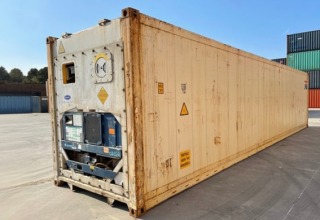
A single shipping container crossing international borders can generate upward of 30 different documents. Bills of lading, commercial invoices, packing lists, certificates of origin, customs declarations—the paperwork often travels further than the cargo itself. This documentation tangle costs the industry billions in delays, errors, and administrative overhead every year. The solution isn’t hiring more clerks or buying bigger filing cabinets. It’s digitizing the entire trade documentation workflow so information moves as fast as the containers do.
The shift toward automation isn’t just about convenience. It’s about survival in a trade environment where margins are razor-thin and customers expect real-time visibility. Companies still relying on faxed bills of lading and manually typed customs forms are fighting tomorrow’s battles with yesterday’s weapons.
Why Paper Documents Create Such Expensive Problems
The bill of lading alone touches multiple parties during its lifecycle—the shipper, freight forwarder, ocean carrier, port operator, customs broker, and consignee. When it exists as a physical document, someone needs to courier it between offices or scan and email it at each handoff. That takes time, and time in logistics means money sitting idle on a dock somewhere.
Errors multiply in paper-based systems because each manual data entry creates another opportunity for mistakes. A transposed digit in a container number can send cargo to the wrong destination. A missing signature holds up customs clearance for days. An outdated tariff code triggers incorrect duty calculations. These aren’t rare exceptions—they’re daily occurrences that eat into profitability and damage customer relationships. The typical shipment sees the same information retyped between five and seven times as it moves through the supply chain.
Compliance risks escalate when documentation isn’t standardized or centralized. Customs authorities worldwide are tightening enforcement around trade regulations, beneficial ownership disclosure, and security screening. Paper trails make audits nightmarish and increase the likelihood of penalties for incomplete or inconsistent filings. Electronic systems create automatic audit trails and flag inconsistencies before documents get submitted to authorities.
Building Blocks of Digital Trade Documentation
Successful automation starts with converting core documents into structured electronic formats. The bill of lading transforms from a scanned PDF into a digital record with standardized data fields that systems can read and validate automatically. Smart templates ensure required information gets captured upfront, reducing back-and-forth requests for missing details.
Integration across platforms makes the difference between a digital filing cabinet and true automation. When your transportation management system talks to your customs brokerage software, data flows without manual intervention. The commercial invoice generated at shipment booking auto-populates the customs declaration. Updates to delivery schedules trigger automatic notifications to all relevant parties. RFID container tracking solutions feed real-time location data directly into documentation systems, eliminating the need for manual status updates and providing verifiable proof of cargo movements.
Blockchain technology is starting to address one of trade documentation’s oldest challenges—proving authenticity and preventing fraud. A digital bill of lading recorded on a distributed ledger can’t be altered retroactively or duplicated. All parties see the same version simultaneously, and the chain of custody becomes transparent. Early adopters report dramatic reductions in documentation disputes and faster resolution when questions do arise.
Navigating Customs Clearance in the Digital Age
Customs authorities have recognized that paper processes can’t keep pace with global trade volumes. Many jurisdictions now offer electronic filing portals and expedited processing for digital submissions. The U.S. Customs and Border Protection’s Automated Commercial Environment, the EU’s Union Customs Code, and similar systems worldwide prioritize digital declarations and provide faster clearance decisions.
Pre-clearance capabilities represent another major advantage of automated documentation. Instead of waiting for cargo to arrive before starting customs review, digital systems allow authorities to examine documentation while vessels are still at sea. This advance screening identifies potential issues early, giving brokers time to address discrepancies before containers reach port. The result is significantly shorter dwell times and reduced demurrage charges.
Harmonized System codes, country of origin determinations, duty calculations—customs compliance involves complex rules that vary by product and destination. Automated systems incorporate these regulatory requirements into their logic, suggesting correct classifications and flagging potential compliance gaps. They stay updated as trade agreements change and tariff schedules get revised, something no individual customs specialist can realistically maintain across all trading partners.
Overcoming Adoption Barriers and Getting Started
The biggest obstacle to documentation automation isn’t technical—it’s organizational. Companies worry about disrupting established workflows, training staff on new systems, and coordinating with trading partners who might not be ready to go digital. These concerns are legitimate but manageable with the right approach.
Starting small makes sense for most operations. Pick one trade lane or document type to digitize first, prove the concept, then expand. Many businesses begin with their highest-volume routes where the return on investment appears fastest. Others target their most error-prone processes to demonstrate immediate quality improvements. Either strategy builds internal momentum and generates champions who can drive wider adoption.
Partner collaboration accelerates the transition more than any single company’s efforts could. When ocean carriers, freight forwarders, and customs brokers agree on common data standards and electronic exchange protocols, everyone benefits from reduced friction. Industry initiatives like the Digital Container Shipping Association are creating frameworks that make cross-company integration feasible without requiring everyone to use identical platforms.
Change management deserves as much attention as technology selection. Staff who’ve processed documents manually for years need clear training on new systems and reassurance that automation creates opportunities for higher-value work rather than eliminating jobs. The goal isn’t replacing people—it’s freeing them from repetitive data entry so they can focus on exception handling, customer service, and strategic problem-solving.
The Competitive Edge Digital Documentation Delivers
Companies that have fully automated their trade documentation report measurable improvements across multiple metrics. Document processing time drops by 60 to 80 percent compared to paper-based workflows. Error rates fall dramatically when data entry happens once at the source instead of being retyped repeatedly. Cash flow improves because faster customs clearance means quicker delivery and earlier payment.
Customer satisfaction rises when clients receive proactive updates about their shipments instead of having to call for status checks. The transparency that digital systems provide—knowing exactly where documents are in the approval chain, when customs filing will occur, what the expected clearance date looks like—turns anxiety into confidence. In competitive markets, that reliability becomes a differentiator that justifies premium pricing.
The trade documentation landscape will only get more digital from here. Electronic bills of lading are becoming legally recognized in more jurisdictions every year. Customs agencies continue enhancing their digital interfaces and data requirements. Companies still dependent on paper aren’t just missing efficiency gains—they’re accumulating technical debt that will become harder and more expensive to address as the rest of the industry moves forward. The question isn’t whether to automate trade documentation, but how quickly you can make it happen before the competitive gap becomes insurmountable.